
LifeSketch Q&A
A Help Reference to guide you toward turning your memories into well-crafted stories
What is LifeSketch?
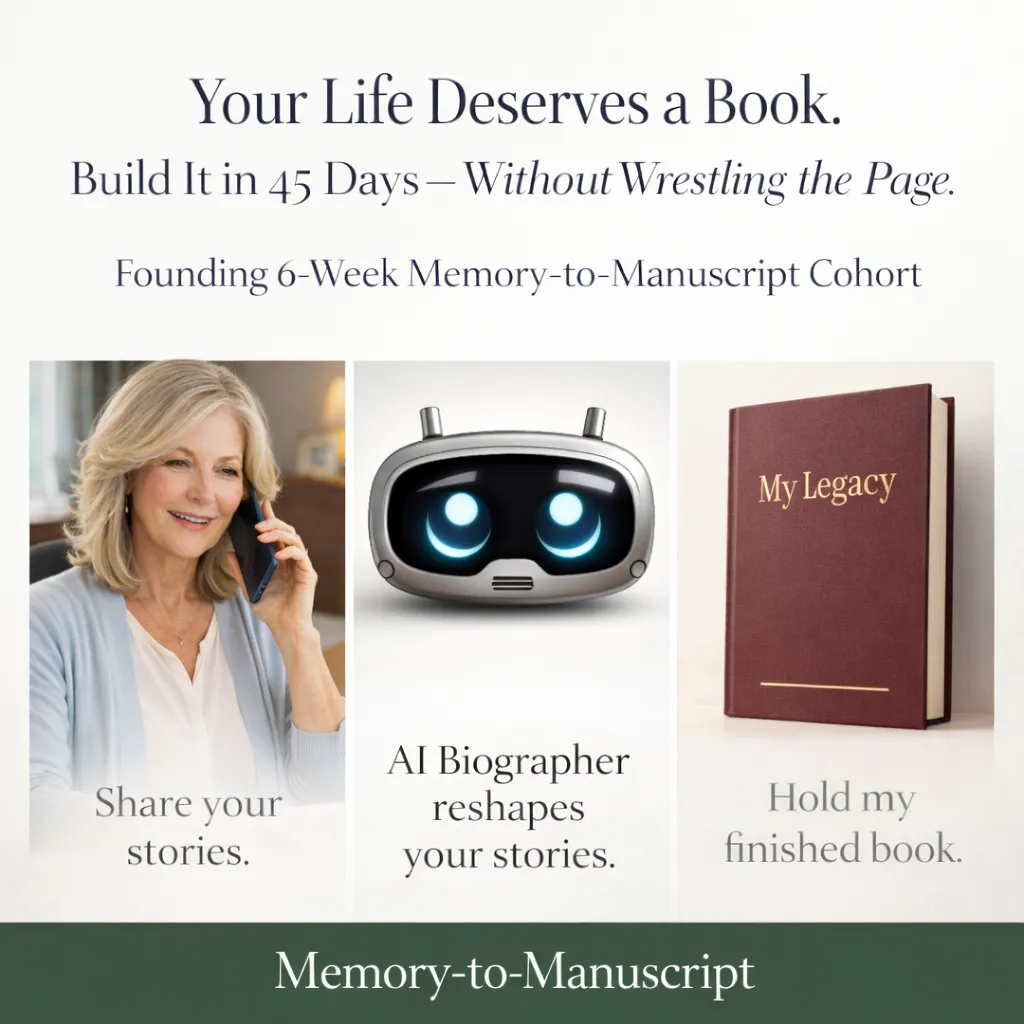
LifeSketch is a guided memoir-writing platform that helps people capture their life stories and turn them into a structured book. Instead of starting with a blank page, users talk through memories with a virtual biographer that organizes those stories into scenes, chapters, and a finished manuscript.
LifeSketch helps people:
Remember important life moments
Turn memories into page-turning stories
Organize your life stories into chapters
Produce a finished memoir or biography you can print or publish.
ABOUT LIFESKETCH
What is LifeSketch Studio?
LifeSketch Studio is a guided memoir-writing platform that helps you turn the story of your life into a finished book.
Instead of starting with a blank page, LifeSketch interviews you about your experiences and helps organize those memories into meaningful stories, scenes, and chapters.
Many people believe they are not writers. LifeSketch removes that barrier by guiding you through your memories step-by-step. Your stories are captured, refined, and organized into a structured manuscript that can ultimately become a printed memoir or family history book.
LifeSketch combines guided storytelling tools, writing assistance, and book-building features so anyone can create a professional-quality life story.
Is this just another writing tool?
No. LifeSketch is not simply a writing app.
Traditional writing tools expect you to already know what to write and how to organize it. LifeSketch works differently. It acts like a virtual biographer, helping you remember important moments, guiding your storytelling, and organizing your experiences into scenes and chapters.
Instead of staring at a blank document, you interact with guided prompts and story interviews that help you uncover meaningful memories.
The result is not just notes or fragments, but a structured collection of stories that can become a complete memoir.
What kind of books can I create?
LifeSketch helps you create personal nonfiction books based on your real life experiences.
Common types of books people create include:
• Personal memoirs
• Family histories
• Legacy books for children and grandchildren
• Faith or mission stories
• Career or business journeys
• Adventure or travel stories
• Lessons learned over a lifetime
Because stories are captured as individual scenes, you can organize them into many different types of books. Some people even create multiple books from the same life story material.
Is this fiction or Nonfiction?
Its really up to you. Most users write autobiographies, memoirs or biographies that are nonfiction or historical fiction. This tool is not designed for pure fiction writing.
How LifeSketch Works
How does LifeSketch work?
LifeSketch works by guiding you through three simple stages.
1. Capture Stories
You talk or write about important moments in your life. Guided prompts help you remember details you may have forgotten.
2. Build Your Story Library
Each memory becomes a structured scene that can be refined, expanded, and connected to other events.
3. Assemble Your Book
Scenes are organized into chapters, themes, or timelines until they form a complete manuscript.
Over time, your memories grow into a structured life story that can be exported as a finished book.
How do I start my first story?
The easiest way to begin is simply to start with a moment that stands out in your memory.
It might be:
• a childhood experience
• an important life decision
• a difficult challenge
• a meaningful relationship
• a moment that changed your direction
LifeSketch will guide you through questions that help expand that moment into a full story with detail, emotion, and reflection.
Many users are surprised how quickly one story leads naturally to another.
Can I write instead of talk?
Yes. You can write your stories instead of speaking them.
LifeSketch supports both approaches. Some people prefer to talk through their memories, while others enjoy writing them out. The platform allows you to capture stories in whatever way feels most natural.
You can also edit, expand, or rewrite any story later.
What if I don't know what story to tell first?
That’s very common.
LifeSketch includes prompts and guided questions designed to help you discover meaningful memories you may not have considered writing about.
These prompts help you reflect on different parts of life such as:
• childhood
• family relationships
• work and career
• turning points
• lessons learned
• moments of faith or challenge
Once one story begins, many others naturally follow.
Do I Need to Do Everything in Order?
No. LifeSketch is designed to work in any order.
You can start with:
• a childhood memory
• a meaningful life lesson
• a turning point in your career
• a family story
• a recent experience
Stories are stored in your Scene Library, which means they can always be reorganized later. Many people discover that memories appear naturally out of order, and LifeSketch is built to accommodate that.
Is My Work Automatically Saved?
Yes. Your stories are automatically saved as you work.
LifeSketch continuously stores your scenes, notes, and book structure so your progress is never lost. This allows you to return anytime and continue building your life story without worrying about manual saving.
AI Assistants
Who are the AI Assistants?
LifeSketch includes several specialized writing assistants designed to support different parts of the storytelling process.
Some assistants help ask thoughtful questions about your life experiences, while others help refine stories into clear and engaging scenes.
These assistants work together to help transform memories into well-structured narrative writing.
Can I control how they behave?
Yes. You remain in control of the process. You can configure their settings to fine tune how they work.
You decide what stories to tell, what details to include, and how your book is ultimately structured. The assistants are simply tools that help guide and organize your storytelling.
Do AI assistants write for me?
The assistants help refine and organize your stories, but the experiences your share and your voice always come from you.
LifeSketch captures your memories and helps shape them into clear narrative scenes while preserving your perspective and meaning.
What does the Writing Coach do?
The writing coach helps improve clarity, detail, and emotional depth in your stories.
Stories, Scenes & Books
What is the Scene Library?
The Scene Library is where all of your individual stories are stored.
Each memory you capture becomes a scene, which includes details such as:
• what happened
• where it occurred
• who was involved
• what you learned from it
Scenes can be edited, expanded, and organized later into chapters or themes.
Can I edit scenes later?
Yes. Every scene can be edited anytime.
Many people capture stories quickly at first and then return later to add more details, reflections, or context.
Your stories grow stronger as you refine them.
Do scenes have to be in order?
No. Life rarely happens in a perfectly organized sequence, and neither do memories.
You can capture scenes in any order. Later, they can be arranged chronologically or grouped by theme when building your book.
How do stories become a book?
No. Each lesson is intentionally small and achievable.
Timeline & Characters
What is the Timeline used for?
The timeline helps organize the major events of your life in chronological order.
Do I need exact dates?
No. Approximate dates are perfectly fine.
Can timelines change?
Yes. As you remember more details, you can update or refine your timeline at any time.
Who counts as a Character?
A character is any person who plays an important role in your life story.
This could include family members, mentors, friends, coworkers, or even historical figures who influenced your experiences.
Tracking characters helps organize stories and maintain consistency as your book grows.
Why track Characters?
Tracking characters helps maintain clarity in your stories and makes it easier to remember how people relate to different moments in your life.
Can I edit Character details?
Yes. Character information can be updated anytime.
How do stories become a book?
Once you have captured enough scenes, LifeSketch allows you to organize them into chapters and themes.
Scenes can be grouped by:
• time period
• life stages
• family relationships
• major turning points
• lessons learned
When organized together, these scenes form a complete manuscript that can be exported as a finished book.
Can I create multiple books?
Yes. Many users create more than one book.
For example, you might create:
• a personal memoir
• a family history
• a book of life lessons
• a career story
Because your stories are stored as individual scenes, they can be reused in multiple books.
Security & Materials
What are Source Materials?
Source materials are documents, photos, letters, or notes that you have uploaded to use as a source for your stories.
These materials can also be used to help you remember details.
Can I attach materials to scenes?
Yes. Source materials can be generated into scenes, which so they stay connected to the stories they support.
Are my uploads secure?
Yes. LifeSketch uses modern security practices to protect your stories and uploaded materials.
Your personal memories and documents remain private and accessible only to you.
Lessons & Learning
What are AI-guided lessons?
AI-guided lessons are optional step-by-step guides that help you learn how to capture better stories.
These lessons teach simple storytelling principles such as:
• how to describe scenes
• how to add emotion and detail
• how to reflect on life lessons
• how to organize stories into chapters
They are designed to make the writing process easier, not more complicated.
Are AI-guided lessons required?
No. They are completely optional.
Some people prefer a structured learning approach, while others simply start telling stories immediately. LifeSketch allows you to use the lessons if they help, or skip them entirely.
Publishing & Export
What formats can I export?
LifeSketch allows you to export your manuscript in formats suitable for editing, sharing, or printing.
These formats make it possible to turn your life story into a professionally formatted book.
Can I create multiple books?
Yes. You can adjust tone, depth, and focus.
Related questions about writing a memoir
How long does it take to write a memoir?
The time required to write a memoir varies depending on the depth of the story and the writing process used. Traditional memoir writing can take several years because authors must recall memories, organize events, and structure the narrative on their own.
With guided memoir-writing tools like LifeSketch, you can enjoy finished written stories as fast as you can share them. The key to success is consistency—regularly capturing your memories and letting LifeSketch reshape your conversations into scenes.
Over time, those scenes naturally grow into chapters and eventually form a complete life story book. LifeSketch includes a coach to help you decide on your overarching theme of the your book and story arc.
What is the best way to preserve family histories
The most effective way to preserve family stories is to capture them in a structured format while the memories are still fresh. Many families lose important stories because they are never written down or recorded. A strong preservation approach includes recording memories, identifying the people involved, adding context about the time and place, and reflecting on the meaning of the experience. Organizing stories into a written memoir or family history book ensures those experiences can be passed down to future generations.
How do you write a life story if you are not a writer?
Many people believe they cannot write their life story because they are not professional writers. In reality, writing a life story is less about literary skill and more about remembering meaningful experiences. The easiest approach is to begin by telling stories from memory, either by speaking or writing them in simple language. Guided prompts, interview-style questions, and storytelling frameworks can help transform those memories into clear narrative scenes. By capturing one story at a time, anyone can gradually build a complete memoir regardless of their writing experience.
What questions should you ask when writing a memoir?
The best memoir questions help uncover meaningful memories and the lessons behind them. Effective prompts often focus on pivotal moments such as childhood experiences, turning points, challenges, relationships, and personal growth. Questions might include: What moment changed the direction of your life? Who influenced you the most and why? What was the hardest lesson you learned? What experiences shaped your values? These types of reflective questions help transform simple memories into powerful stories that form the foundation of a memoir.
How do you organize your memories into chapters
Memories can be organized into chapters in several ways depending on the structure of the memoir. Many life story books follow a chronological order that moves from childhood through adulthood. Others organize chapters around themes such as family, career, faith, or major life lessons. A helpful approach is to first capture memories as individual scenes, then group related scenes together into chapters. This method allows the story to develop naturally while still creating a clear narrative structure for the finished book.
What makes a good legacy book?
A good legacy book captures not only what happened in a person’s life, but also what those experiences meant. Strong legacy books include meaningful stories, reflections on lessons learned, and descriptions of the people who shaped the journey. They often highlight turning points, struggles, achievements, and personal values. The goal of a legacy book is to help future generations understand the life, character, and wisdom of the person telling the story.
Can you write a memoir without writing experience?
Yes. Many memoirs are written by people who have never written a book before. The most important ingredient is simply having meaningful experiences to share. By starting with individual stories and expanding them gradually, anyone can capture the moments that shaped their life. Guided storytelling tools, writing prompts, and structured frameworks make the process far easier by helping organize memories and transform them into clear narrative scenes.
What should be included in a life story or memoir?
A life story book typically includes the most meaningful experiences from a person’s life. These often include childhood memories, family relationships, defining moments, personal challenges, achievements, and the lessons learned along the way. Many life story books also include reflections on values, beliefs, and advice for future generations. The goal is not to document every event in chronological order, but to capture the moments that best explain who someone is and how their life unfolded.
Have Questions?
Have Questions? Need more information?
Have questions about LifeSketch? Book a quick call with Brett.

Because our greatest stories are told, not typed!
Who We Serve
Non-writers
Storytellers
Legacy Seekers
Writing Coaches
Business Owners & Consultants
LifeSketch and LifeSketchStudio are products of Brett Allen and m80.
© 2026 m80. All rights reserved.